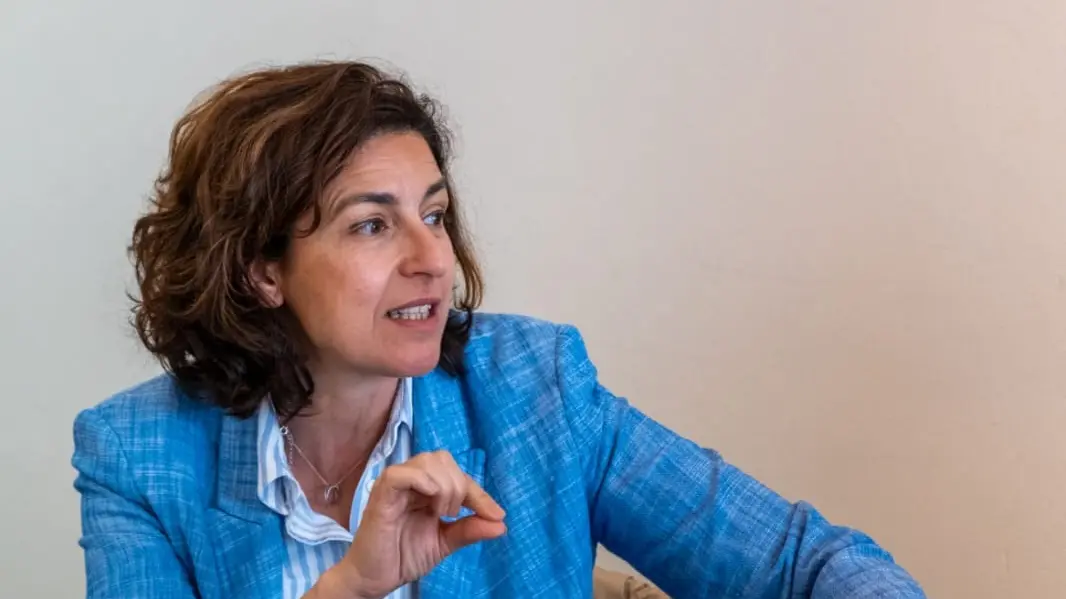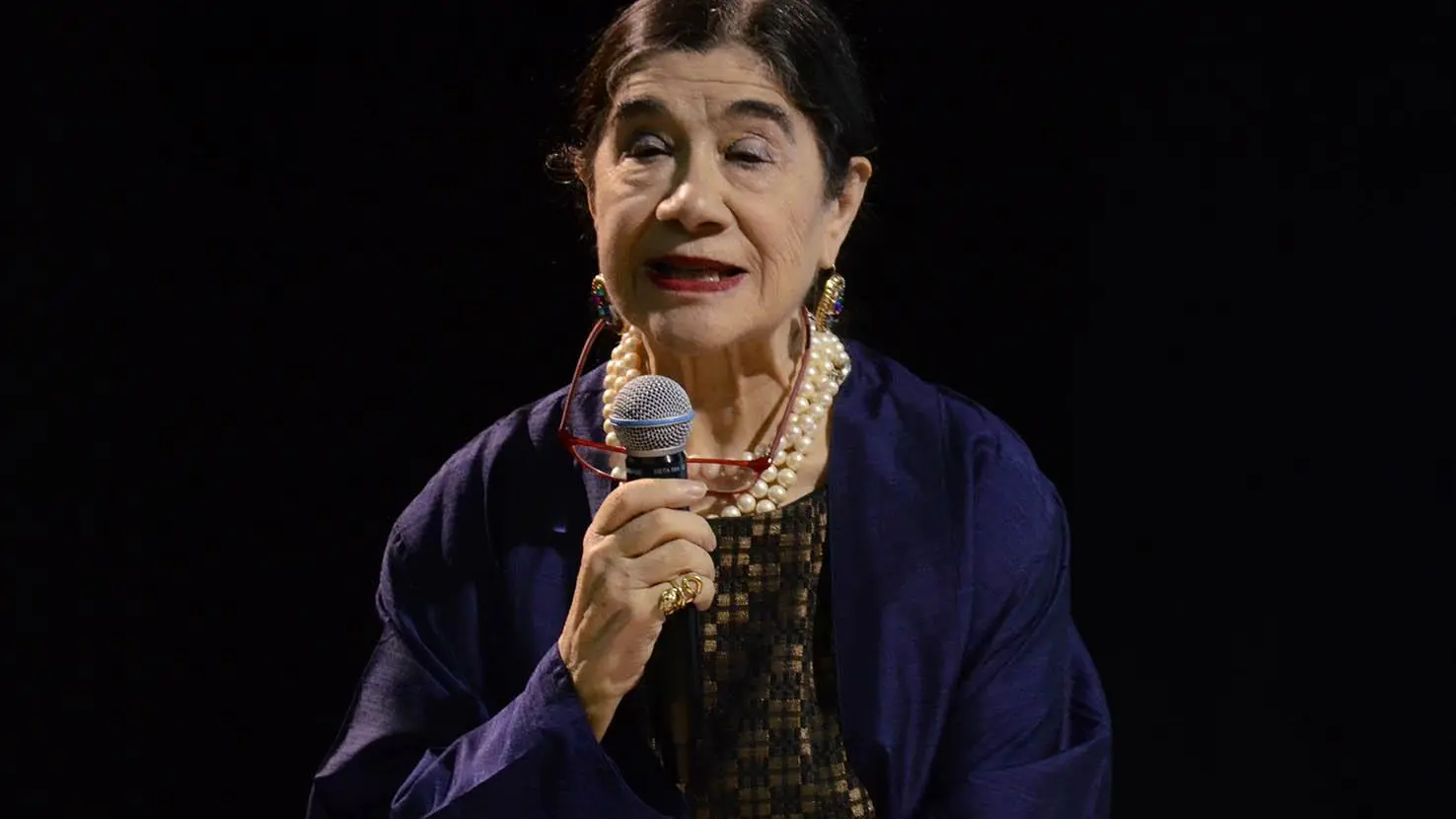


Insularity as self-determination, in a Sardinia where even "traditions are reduced to a spectacle," says Maria Antonietta Mongiu. The antiquarian. A long-time intellectual and scholar. A Commander a year ago by decision of Sergio Mattarella. And before that, in 2017, an Officer of Merit for scientific and cultural reasons. "We are in the phase of self-colonization," is one of the steps in the reasoning that sees geography as an opportunity. From today for tomorrow. The perspective is reversed. Insularity is no longer just the cause of slow development, but above all becomes the solution. The path to salvation. Even with respect to that decay of time marked outside Sardinia. By the OECD Pisa, specifically. It is the international survey that measures the skills of fifteen-year-old students. "Our island is last in Europe." In the middle of the Mediterranean, with Cagliari as its capital, "educational communities are in crisis. This means the family, society, parishes." To the professor, the declining social indicators and sociocultural drifts had long been clear. And so had the alternative. "The corrective measures lie in building a vision for the future." Giulia Maria Crespi, philanthropist and founder of the FAI, not coincidentally assigned Mongiu the presidency of the regional branch of the Italian Environment Fund. Her most precious asset. And eight years ago, Roberto Frongia, lawyer and leader of the Reformers, did not behave differently, suggesting that she lead the Scientific Committee for Insularity as part of her CV. Redemption. A battle that became a constitutional principle in 2022, even though Frongia, one of the ideologues of the political journey, did not live to see the finish line: he died nineteen months earlier.
Professor, eight years as president is quite an anniversary. If you look back, what do you see?
We came together to engage in dialogue with public opinion. Academic and otherwise. We changed the Constitution. This happened because, like few other times, informed public opinion led institutional policymakers to finally recognize what Article 3 of the Constitution already stated. That is, no citizen can be discriminated against based on their place of birth, nor on their gender or religious affiliation. In reality, for seventy years, Sardinian politics, even the most authoritative and illustrious, had not delved deeply enough into that article. The essential issue is that we did not have and do not have the same equal opportunities as other Italians. And as happens and happened with women, if things are not named and made explicit, they do not exist. Insularity had never been mentioned, nor discussed in its material and symbolic implications. Regarding insularity, the winning card was the construction of a popular leadership, which materialized in the amendment of Article 119 of the Constitution.