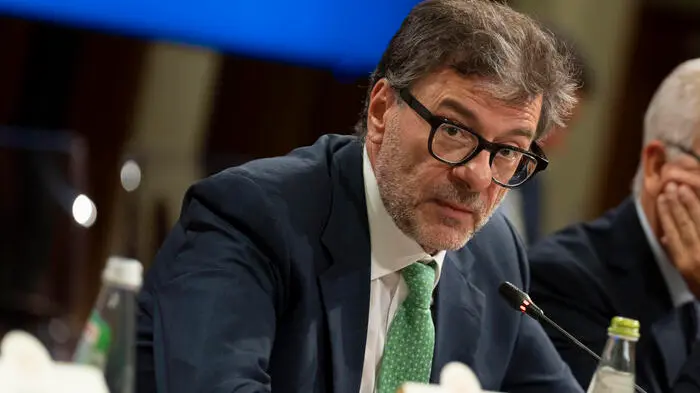


€2 billion for wages and nearly €3.5 billion over three years for families and the fight against poverty. Another €9 billion over the three-year period will be allocated to lowering the second income tax bracket from 35% to 33%, as well as new funding for healthcare and extending the ban on plastic and the sugar tax. These are some of the new measures outlined to the Council of Ministers by Minister of Economy and Finance Giancarlo Giorgetti.
Here, in brief, are the key points of the €18 billion maneuver.
SALARIES - To facilitate wage adjustment to the cost of living, the budget law allocates approximately €2 billion for 2026.
FAMILY - The package—which also includes the ISEE reform —provided approximately €3.5 billion over the three-year period for families and the fight against poverty. It also includes the confirmation, with a possible extension if resources allow, of three months of optional parental leave at 80% , as well as a social security package with state support for newborns.
ISEE - In order to access certain subsidized benefits , a revision of the rules for calculating the ISEE is introduced, which intervenes on the value of the house (probably 75,000 euros of cadastral value) and on the equivalence scales, with an overall impact of almost 500 million euros per year.
Personal Income Tax (IRPEF) - The central measure of the new budget law targets the middle class, lowering the personal income tax bracket from 35% to 33%. The measure will cost €9 billion over three years. The target group is expected to be those with incomes between €28,000 and €50,000, and the benefit would reach a maximum of €440 per year.
BUSINESSES - The super-depreciation program to support businesses and innovation is back: the total value is €4 billion. A three-year tax credit is available for businesses in the Special Economic Zones (SEZs) and the refinancing of the New Sabatini program is planned.