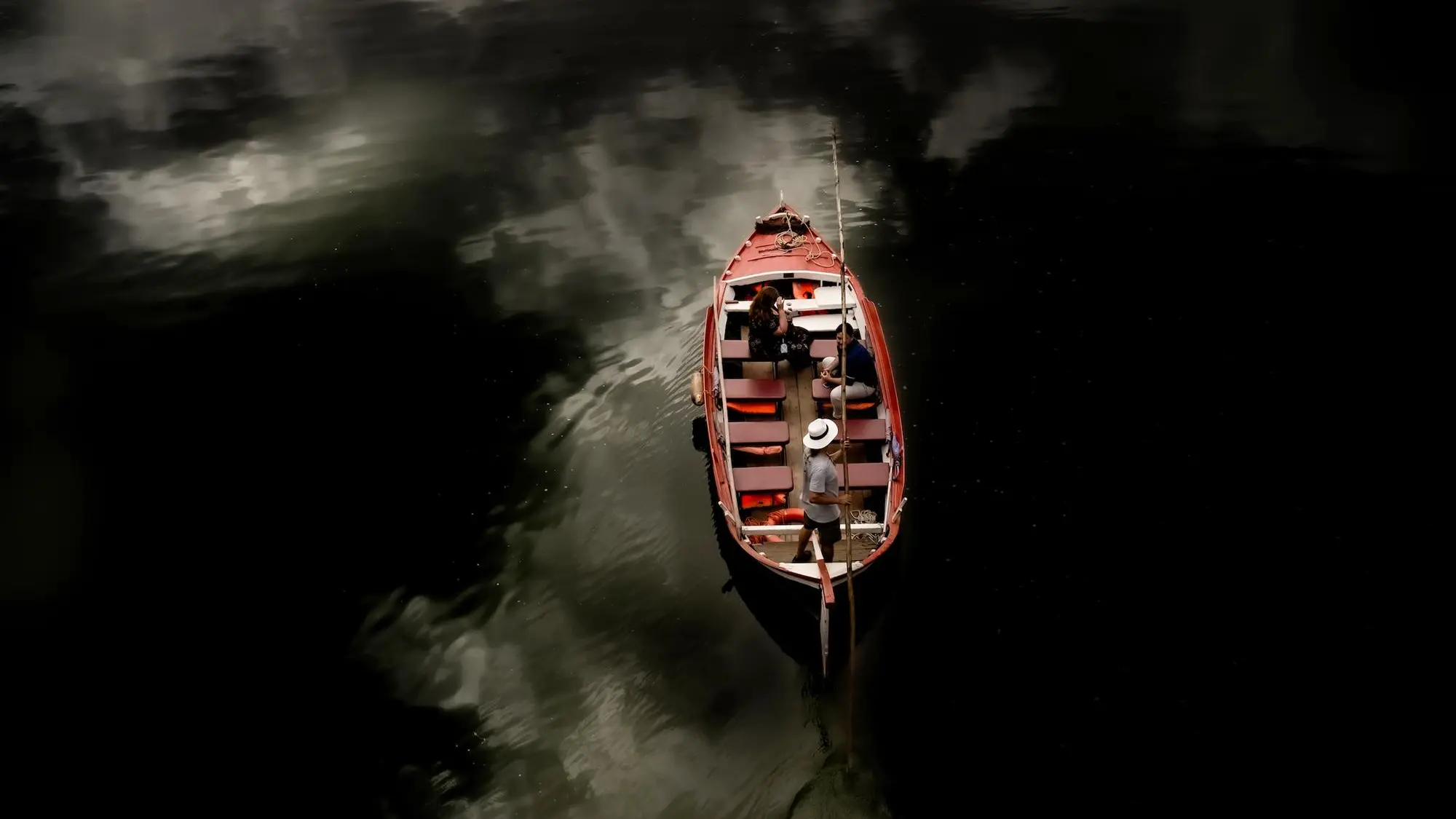


On Thursday 28 May 2026, at 6 pm, Città in/visibili, a solo exhibition by photographer Mouhamed Yaye Traore , will be inaugurated at the MUACC – University Museum of Contemporary Arts and Cultures of the University of Cagliari .
The exhibition, curated by Costanza Meli and Mohamed Keita , with the artistic direction of Simona Campus , is supported by the public notice Photography Strategy 2025, promoted by the General Directorate for Contemporary Creativity of the Ministry of Culture , and is created in collaboration with the Isole cultural association, as cultural partner.
The exhibition presents for the first time a cycle of twenty photographs by Mouhamed Yaye Traore, a young artist originally from Benin who has lived and worked in Florence for years . Central to his research is the relationship between gaze and identity, explored through an experimental, free, and intuitive approach to the urban landscape. The images on display investigate the forms of the city and of living through a shifting array of presences and landscapes that reveal and conceal themselves, offering different viewpoints and new possibilities for observation .
What do we see in the cities we pass through every day, and what remains invisible? These questions spark a research that begins with subjective experience to reinterpret urban space through movement, memory, and imagination . The city is not a physical reality, but a perceptual construction made up of multiple perspectives and desires, as the reference to Italo Calvino's Invisible Cities in the exhibition title suggests.
The exhibition is divided into three chapters: the boats on the Arno evoke the metaphor of crossing and migration; the people in transit are indistinct presences, silhouettes in the crowd, temporarily sharing the same space; finally, the city dissolves into abstract, intimate, lyrical visions. The city that Yaye Traore shows us is always the same, but in his poetic approach, which straddles photography and painting, it becomes a , suggesting how places transform along with those who inhabit and travel through them. At the same time, the city becomes a mirror, as suggested by the reflection on the water, and the photographer seems to tell us that our identities are constructed precisely through constant reflection with the landscape we inhabit and that inhabits us.