









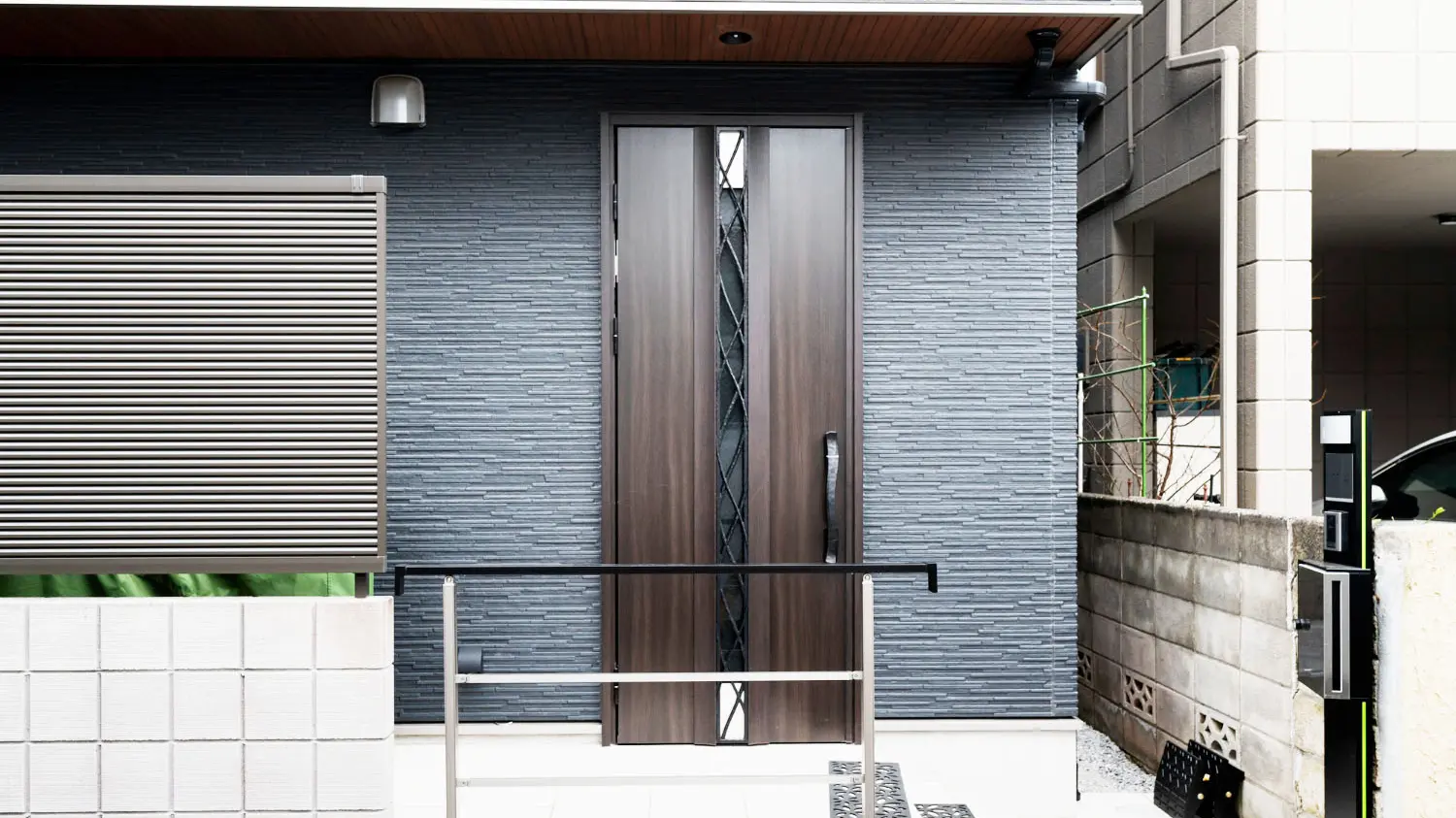


Considering one's home an inviolable refuge is a common desire, yet everyday reality exposes homes to the real risk of intrusion . A break-in by intruders doesn't just result in financial loss or the violation of a private space; the most profound impact is often the loss of peace of mind and the compromised sense of personal security .
This type of threat, which unfortunately makes no distinction between housing types, requires a thoughtful and structured response . Relying on chance is not a good strategy: effective protection comes from a proactive approach that integrates various defensive solutions. It inevitably begins with the most critical access points, protected for example with armored doors , and then extends attention to other structural and technological elements.
The first bulwark: armored doors and security classes
The most vulnerable entry point and, at the same time, the first line of defense for a home is undoubtedly the front door . Investing in a solid structure means erecting a significant physical barrier against break-in attempts.
Modern armored doors are not all the same; their effectiveness is certified by specific security classes , defined at the European level by the UNI EN 1627 standard. This classification, which ranges from Class 1 to 6, measures the door's ability to resist different types of attacks, from improvised ones to those carried out with specific tools and by expert burglars.
For a residential context , such as a condominium or a house, the recommended classes are generally 3 and 4. A Class 3 door is designed to resist break-in attempts with tools such as crowbars, while Class 4 offers superior protection even against more sophisticated tools.
In addition to the class, it is essential to evaluate the : a sturdy steel body, the presence of anti-tear bolts on the hinge side and, above all, a high-security lock, preferably with a European profile cylinder protected by a drill- and tear-proof .








