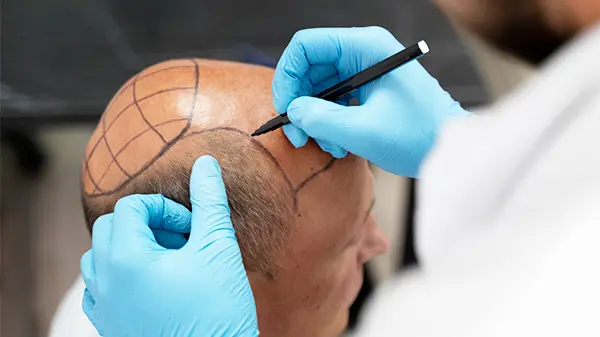


Simply typing "hair transplant Turkey" into any search engine will reveal a price range from a few hundred euros to several thousand. This wide range, for the same type of procedure, inevitably generates demand among those seriously considering the option. A very low price is either a sign of a good deal, or it hides something that will only be discovered later, when it's too late to turn back.
Why a price that's too low sets off alarm bells
The honest answer is that both can be true, depending on the clinic. There's no rule that every low price in Turkey is automatically suspect, just as there's no guarantee that a higher price always guarantees safety. What really matters is understanding the origin of that price, not simply comparing it to the market average.
The hair transplant industry in Turkey has grown so rapidly in recent years that, alongside reputable and regulated clinics, new facilities have emerged that exploit the country's reputation to attract patients with aggressive offers, yet lack the same medical guarantees. This is where the question of "risk or benefit" truly comes into play, not in the price itself, but in what that price actually covers.
The concrete risks of low-cost clinics
The risks associated with cheaper clinics aren't just a media exaggeration; they've also been documented by those working in the sector internationally. The International Society of Hair Restoration Surgery (ISHRS) itself has published an official warning for patients considering medical tourism for hair transplants, noting that in some clinics, the procedure is performed almost entirely by technicians without medical licenses, with the name of a registered doctor appearing only on the documentation, without their actual presence in the operating room.
The practical consequences of this practice are tangible and not merely aesthetic. Graft harvesting performed without a proper medical evaluation of the donor area often leads to excessive harvesting, an irreversible situation that compromises the possibility of future interventions. If the frontal hairline is not designed by someone with real surgical experience, it produces unnatural results that no amount of retouching can fully correct. And without constant medical supervision during local anesthesia and bleeding management, the risk of infection and complications increases significantly.