









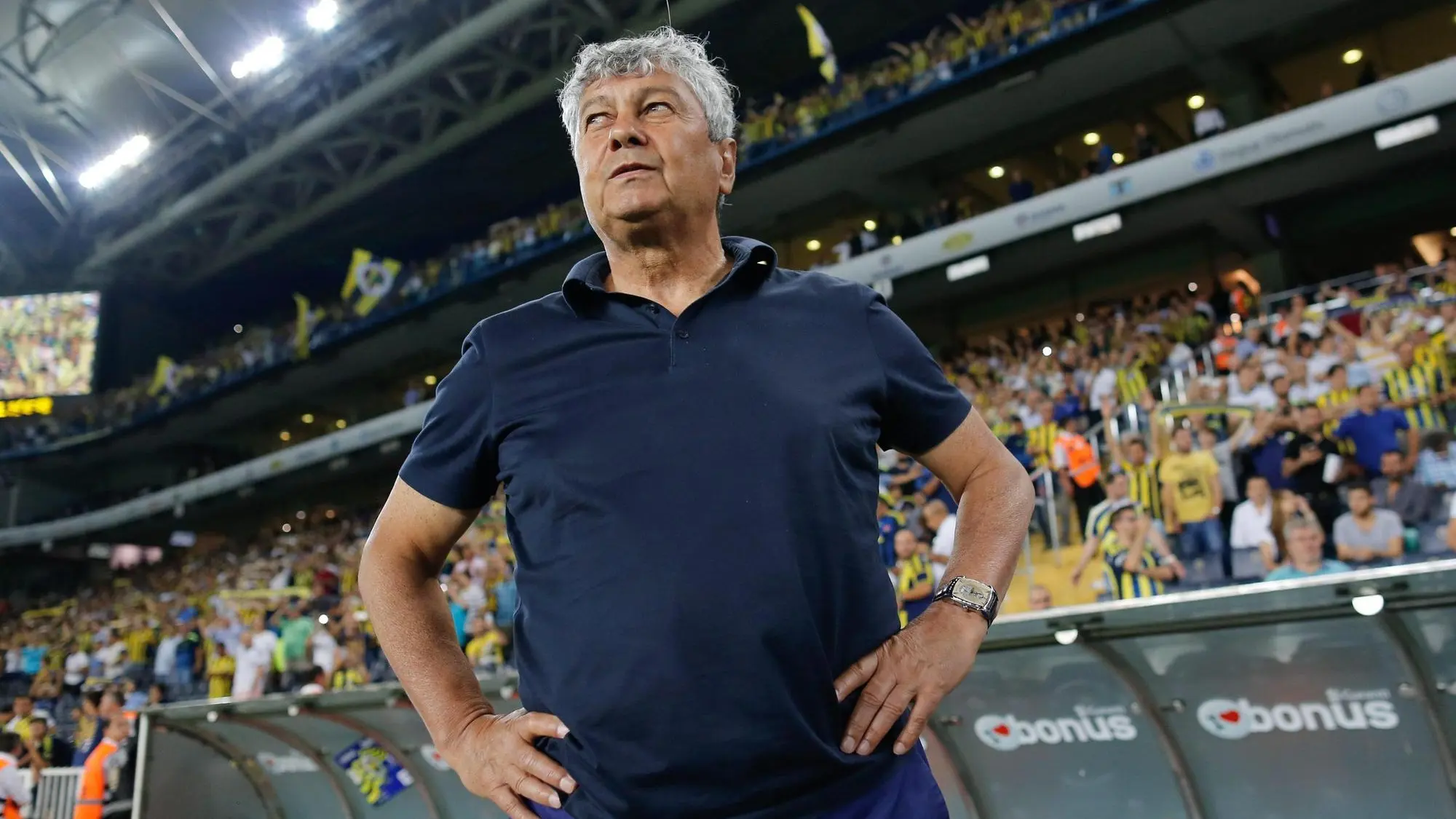


In Romania he was, and will remain, a legend, but Mircea Lucescu, an excellent player but above all a great coach who died today at the age of 80 in Bucharest from a heart attack he had suffered a few days earlier, also left his mark in Italy, where he coached Pisa, Brescia, and Inter . And the Milanese club is among the first to remember "one of the most authoritative and respected coaches on the international scene, capable of leaving a profound mark wherever he coached thanks to his vision, charisma, and extraordinary culture of the game."
Cagliari Calcio also remembered his qualities as a " visionary coach, who left his mark on the history of this sport, a person with outstanding human qualities" in a note published on X.
Lucescu's career began as a professional in 1963 and continued right up to the end, as only on March 26th did he lead the Romanian national team in the World Cup playoffs, which they lost to Vincenzo Montella's Turkey. To be there, he had been released from the hospital where he had been battling an illness he had been battling for months. A few days later, he was struck by a new illness while preparing for a friendly against Slovakia and was hospitalized in Bucharest. He seemed out of danger, then suffered a heart attack and fell into a coma, leaving little hope of recovery.
The entire country rallied around the man who, along with George Hagi, was its footballing icon. "We lose not only a brilliant strategist, but also a mentor, a visionary, and a national icon who led the tricolor to the highest peaks of global success," wrote the Romanian Football Federation.
CAREER – As a player , he became the symbol of Dinamo Bucharest, a club with which he won seven league titles, but Lucescu participating in the 1970 World Cup in Mexico, where, as captain, he faced Pelé's Brazil and Bobby Moore's England in the group stage. But it was as a coach that he achieved his most notable results. , with Galatasaray and Besiktas in Turkey, and with Shakhtar Donetsk and Dynamo Kyiv in Ukraine, winning 37 trophies and becoming one of the most decorated coaches in the history of world football.








