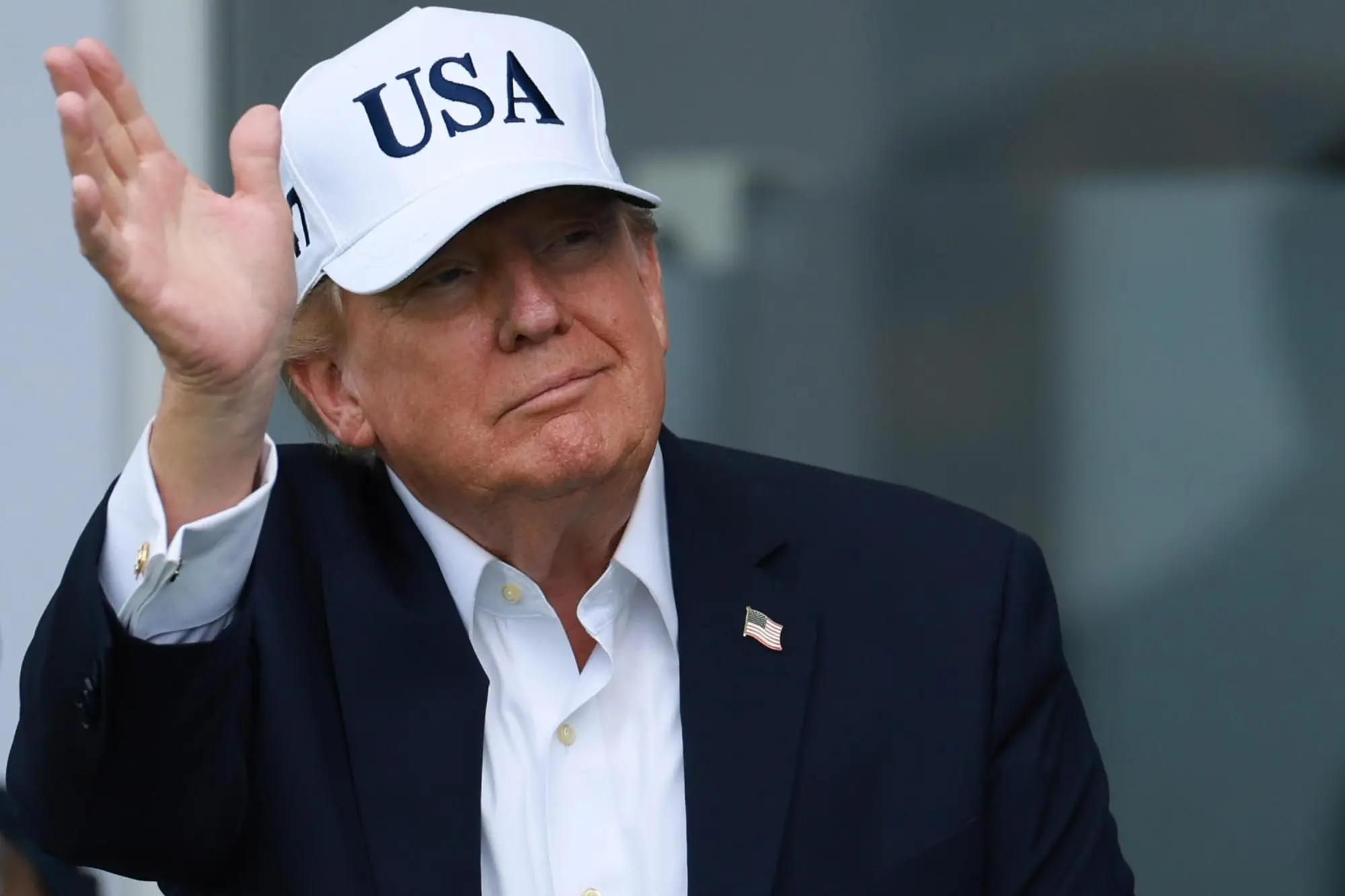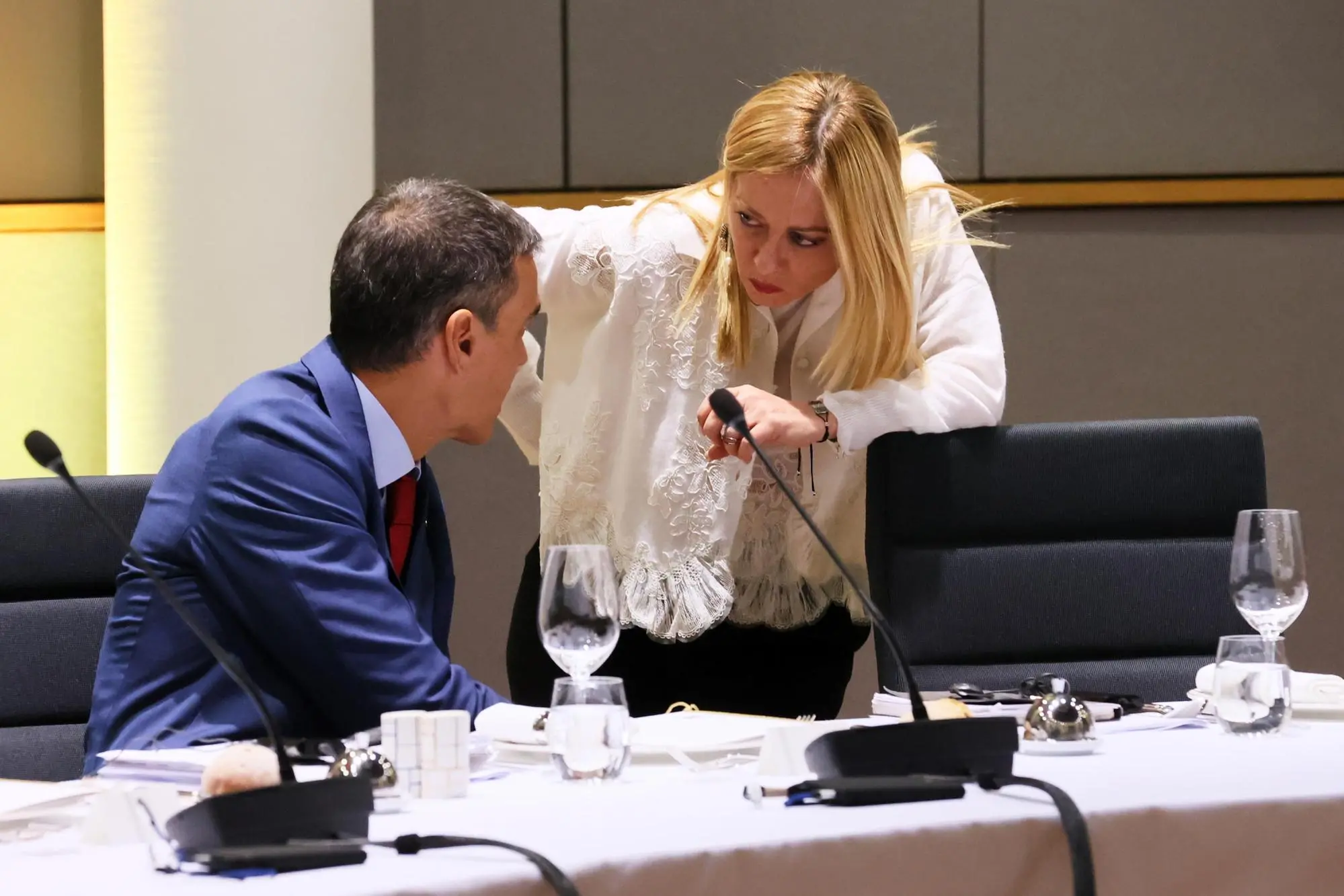


The United States, the European Union, Ukraine, and Russia: among equals and opposites, what economic attractions are there for a developing foreign policy?
Midterms 2026: Trump gives Moscow a gift, and Europe stands by.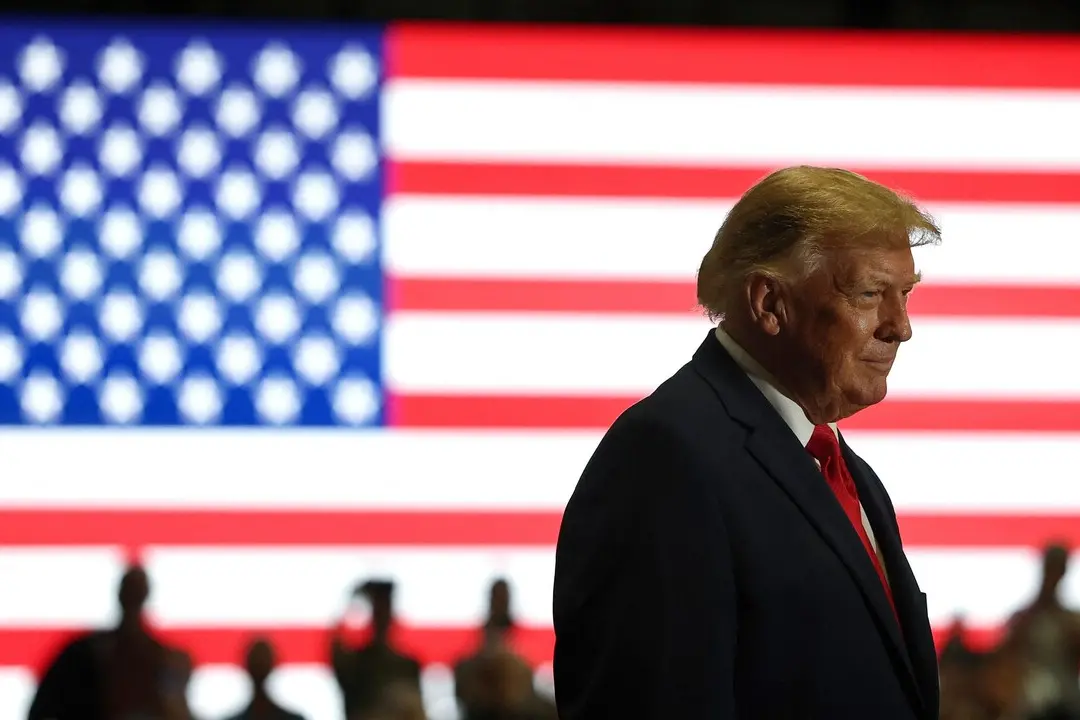
Per restare aggiornato entra nel nostro canale Whatsapp
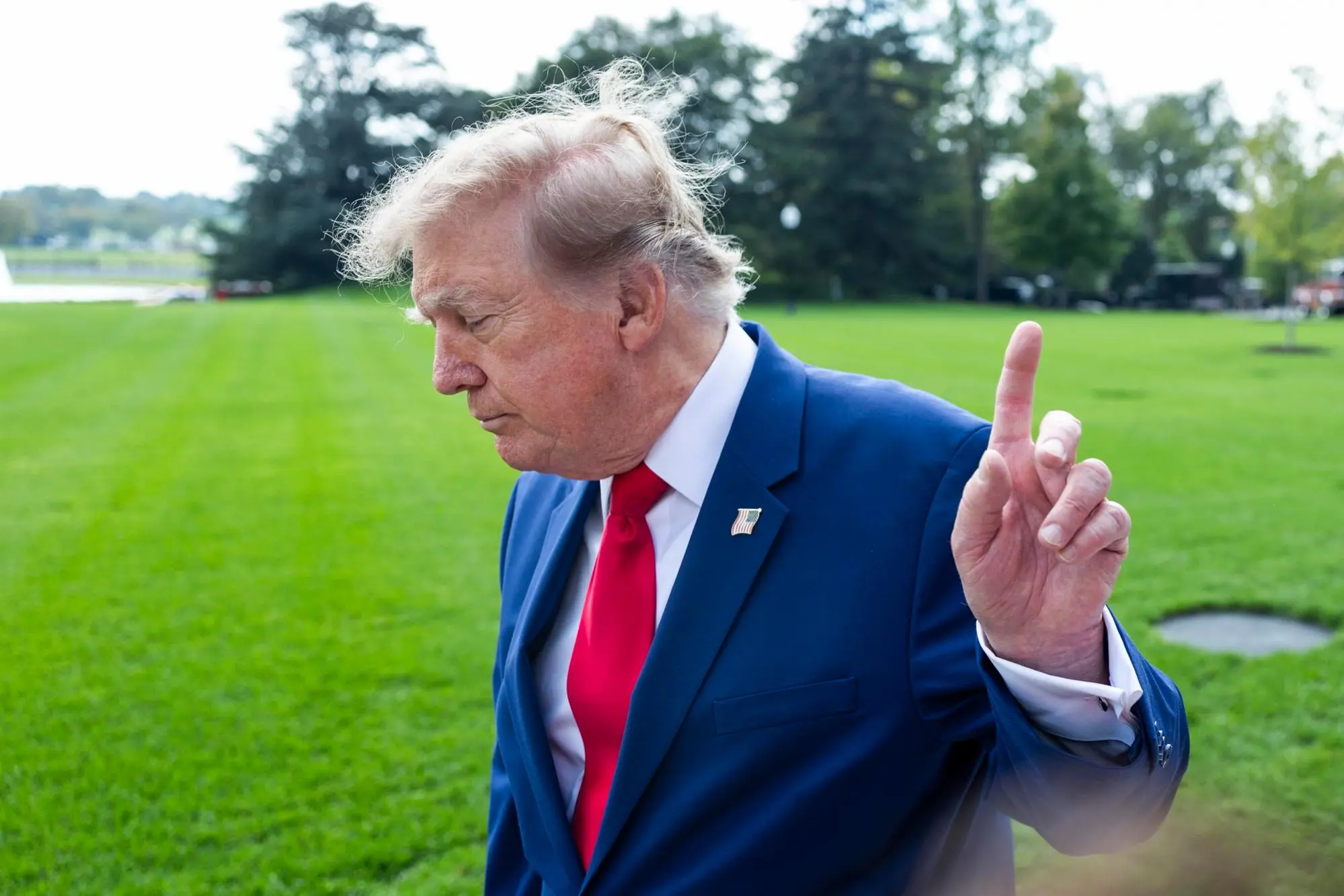
The fateful November 3, 2026, is approaching, and with it the expected, but not too much, Midterm elections. With an executive order, Donald Trump, in the name of an unspecified national interest (probably his own, without wishing to appear too malicious), has suspended, without any ifs or buts, major sanctions and export duties against Russia just before the Lindsey Graham Act comes into force. It goes without saying that Vladimir Putin's Russia reacted with smugness, with his chief economic negotiator apparently declaring that "Donald Trump's decision to exempt
"Removing Russia from major sanctions represents a new setback for Ukraine and constitutes a historic moment." Ultimately, there should not even be much to be surprised about, especially since to understand Mr. President's "internal mindset," it would be sufficient to go back in time to his first term, or rather to the themes of the electoral campaign immediately after Obama's presidency. Now, as then, the entire world finds itself having to react to the initiatives of a President who has never abandoned the radical and radicalizing, as well as highly contradictory, tones of the electoral period, presenting himself at the same time as a man of peace aspiring to the Nobel Prize, and as a promoter of trade wars and more, who then struggles, and not a little, to realize his "desiderata" (assuming that it is understood what they are) which are completely unrealistic and illusory. Donald Trump, above and beyond his completely non-institutional posture, conducts a foreign policy that is disordered by its radicality, useful (if it is useful at all) to circumscribe objectives in constant evolution in order to always be in constant transformation. A way as yet another way to somewhat conceal his failures, which are unfortunately evident, especially in their practical effects. There are few fixed points, therefore, and these should be used as a starting point to counterbalance the President/businessman's initiatives. Moreover, the creation of a new axis with Moscow, if we remember carefully, was a key element of the electoral campaign preceding his first term, as were central issues of that first election campaign: the restoration of the special relationship with Israel, direct military action against Islamic terrorism, and trade wars on the most disparate transatlantic and transpacific routes.
Nothing new under the sun, then, and international leaders, including European and Italian ones, should have been prepared to counter the outlandish initiatives that currently appear to have forced various nations to their knees economically. "Su cantadore unu a sa poesia bi torrat," one might cynically exclaim, using a Sardinian expression (the "Singer returns to Poetry," meaning, essentially, he returns to the main theme discussed, to translate the expression freely and if one wishes to allow its use).
The actions of the current President of the United States of America could be defined by apparent pragmatism, selective realism, and a great deal of "vainglory" (if one wishes to accept the use of the expression). His primary concern appears to be to build a political and diplomatic bridge with Russia and China, recognizing them as equal international players in the construction of a perfect triangulation of power aimed at delimiting three specific areas of influence within which the Old Continent may not have a privileged position and may not even be contained in its entirety, but only pro parte, with respect to one or other of the three aforementioned spheres.
In this circumstance, would it be correct, or even more useful for improving the global economic situation, to hope that the midterm elections will put a sharp halt to Donald Trump's initiatives? Will his initiatives on key international issues have any impact? The European Union, and Italy with it, must pursue foreign and economic policy initiatives that are more focused on their own national interests, focusing economic resources on local areas rather than on military support. Diplomacy and domestic pragmatism must return to the forefront for the common good.
Giuseppina Di Salvatore – Lawyer, Nuoro