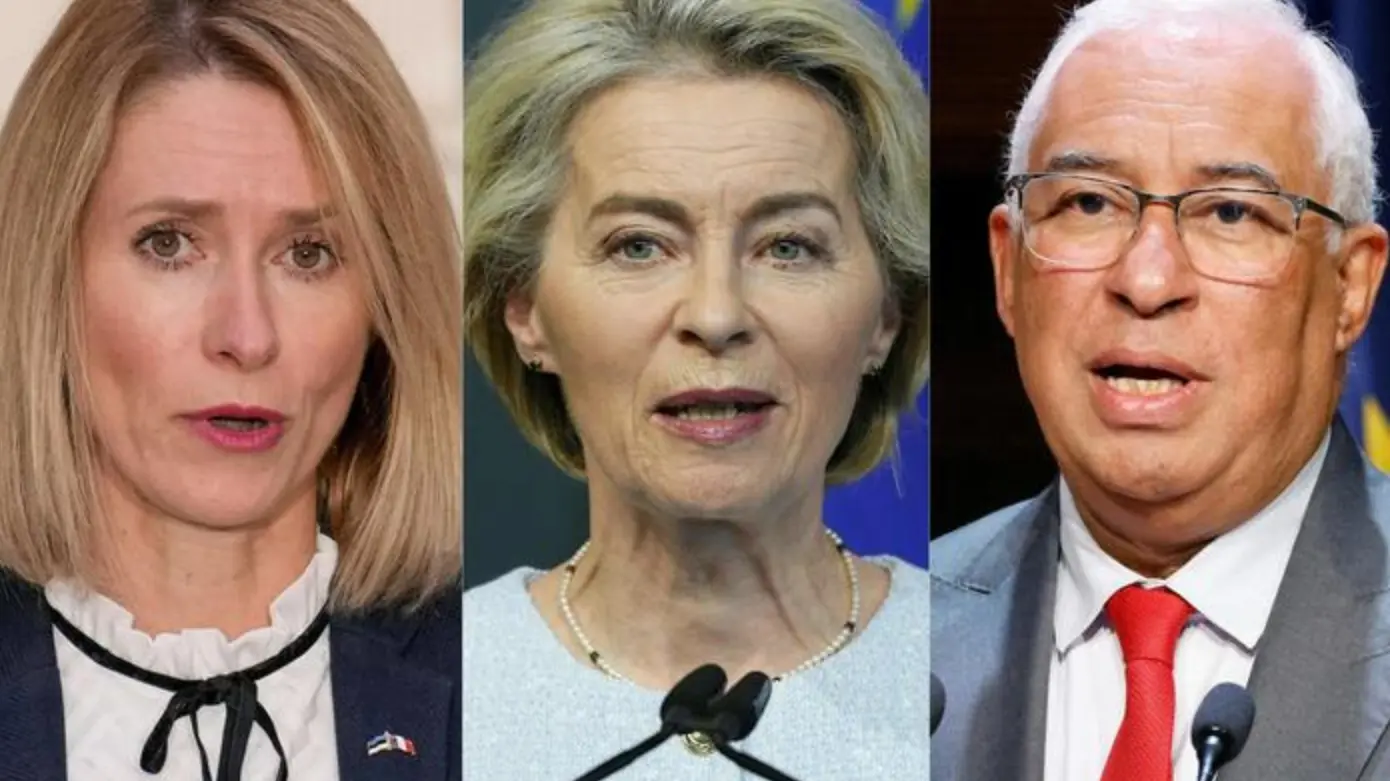


The EU leaders locked down the agreement put together by the People's Party, Socialists and Liberals overnight and handed over the keys to the Europe that is yet to come to Ursula von der Leyen. The yes to the triad that the German will form for the next five years with Kaja Kallas as EU High Representative and Antonio Costa leading the work of the European Council found the qualified - strengthened - majority needed around the Europe building table.
Despite the tight negotiations led by the EU People's Party to also convince the excluded Giorgia Meloni, Italy rejected the agreement by abstaining on the German's name and voting against the Estonian and the Portuguese while waiting to have their votes counted in the Plenary of the 'European Chamber, in July.
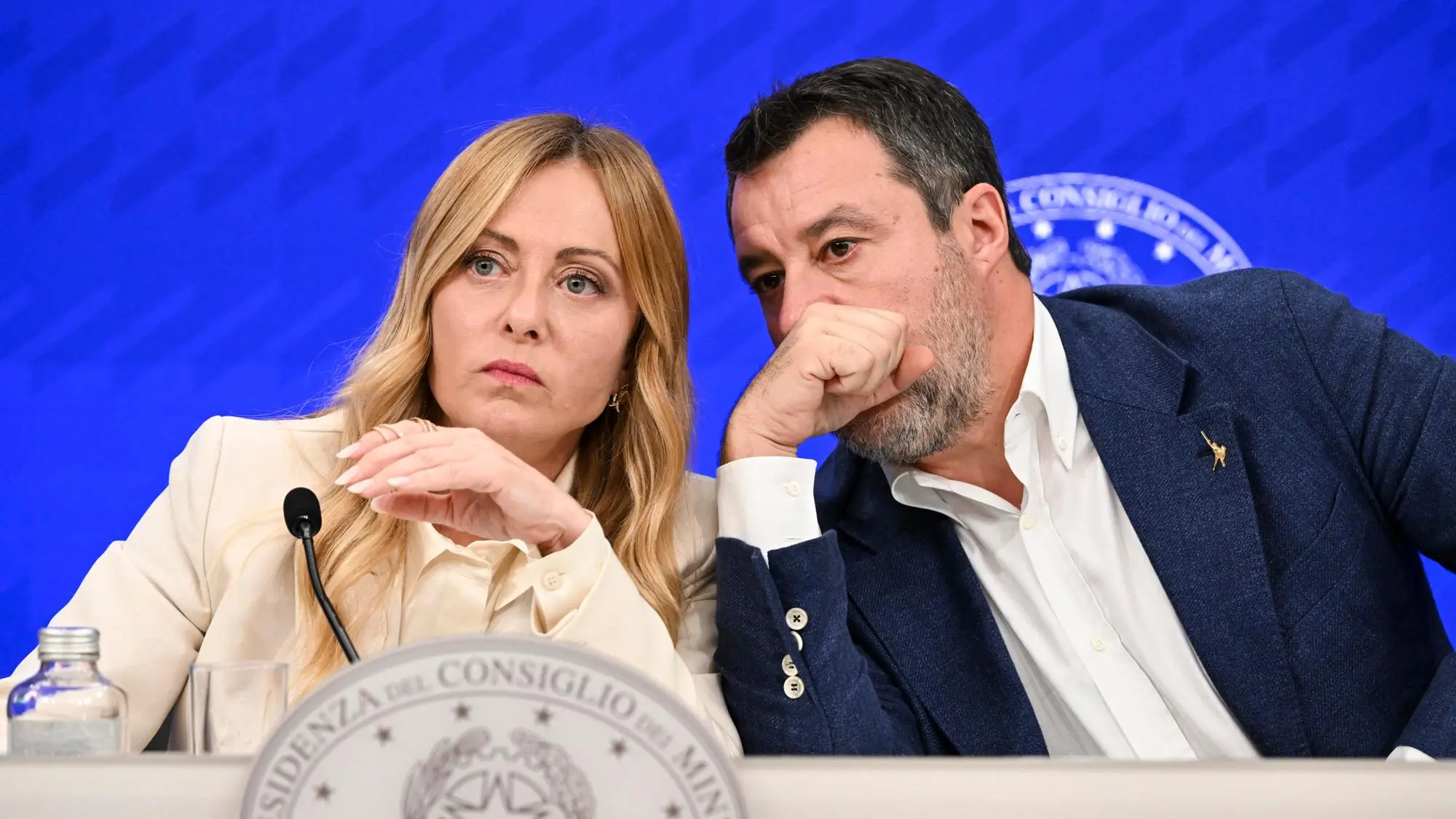
Prime Minister Giorgia Meloni ultimately opted for the hard line, keeping faith with a concept already expressed in the Chambers and reiterated late at night, at the end of a very complicated summit : «The EU appointments are wrong in method and merit. It is a lack of respect for citizens." An isolated position because in the end Slovakia also voted in favor of the three appointments to the top EU jobs. And even Viktor Orban has distanced himself from the new president of the European Council, remaining faithful to his philosophy of an intergovernmental Europe and not in the image and likeness of the Commission.
Meloni protests against an agreement studied around the table by the six EPP negotiators and landed on the summit of the 27 without the possibility of amending it. The mediation of the EPP and the moral suasion of Antonio Tajani were of no use, as at the Popular Party summit he once again asked for a clear opening to the Conservatives. Furthermore, the statements of the European leaders, upon entering the Europa Building, on the need to keep Italy within the agreement on top jobs were of no avail. Meloni, in the end, did not change his mind, lashing out against "a majority and opposition logic that makes no sense".