

The first hydrogen-powered train designed for the Sardinian network was presented in Berlin.
Arst: "A historic technological leap forward for the efficiency of our fleet."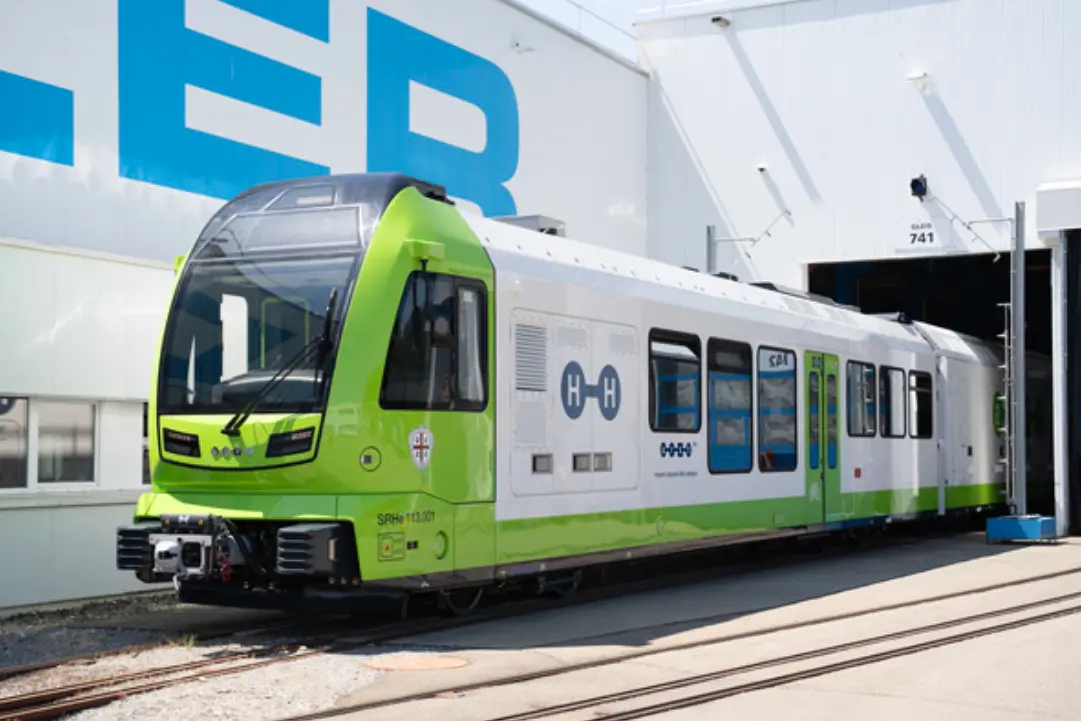
Per restare aggiornato entra nel nostro canale Whatsapp
The first hydrogen train designed for the Sardinian network was presented in Berlin.
The occasion was “InnoTrans”, the leading international trade fair for the transport sector which takes place in the German capital.
The train, the first of its kind in the world, produced by Stadler Rail, will enter service for ARST, the regional public transport company, which will purchase nine more as part of a framework agreement with the Swiss group.
"This is a historic technological leap forward for the efficiency of our fleet," emphasized Giovanni Mocci, sole director of ARST, during the presentation of the new train in Berlin. "A milestone made possible by the full sharing of our goals and the crucial support of the Sardinia Region. We are radically transforming our approach to public transport, making ARST a model of innovation and reliability."
The use of hydrogen trains, funded by the Region with €29 million, will save—according to the company's estimates—over 2,100 tons of CO₂ per year, equivalent to approximately 450 trips around the planet by car. The overall investment, which also includes the production of green hydrogen using photovoltaic panels at the three power plants in Mandas, Macomer, and Alghero, amounts to €300 million, financed with funds from the National Recovery and Resilience Plan (NRRP). The new trains' eco-sustainable propulsion system is based on fuel cells and tanks installed in a special central carriage (Power Pack). The vehicles are silent, vibration-free, and equipped with panoramic windows and low-floor access to facilitate boarding even for people with reduced mobility.
"These vehicles, developed in collaboration with Stadler, are a central element of the narrow-gauge network's decarbonization strategy," explained Carlo Poledrini, Central Director of the transport company. "This is the first step in Arst's evolution from a transport operator to an energy company supporting its own mobility system. Working in full synergy with regional institutions, Arst is implementing a sustainable and fully self-sufficient public mobility model."
(Unioneonline)
