

Temperatures exceed 30 degrees: Sardinia's sea is boiling, cyclone risk
ISPRA monitoring system readings. The thermometer reached 30.6°C off the coast of Villasimius. Widespread high temperatures. The expert: "The Mediterranean is a reservoir of energy for extreme events."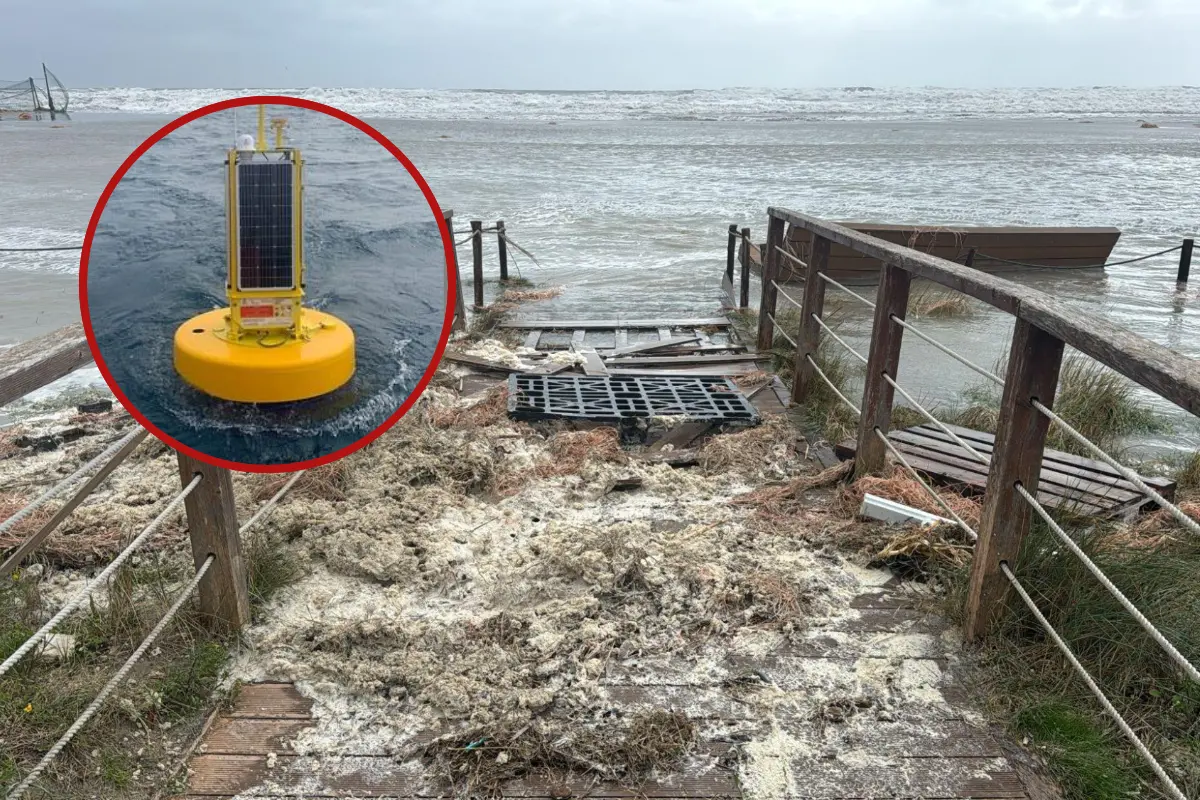
Data from ISPRA buoys reveal a cyclone risk situation in the Mediterranean.
Per restare aggiornato entra nel nostro canale Whatsapp
The peak was recorded at 4 a.m. yesterday by the national wave measurement network station located off Porto Sa Ruxi, on the eastern side of the Golfo degli Angeli: the sea temperature before dawn was 30.6 degrees. This figure also represents the record for the week just ended.
The Sardinian sea is warm. Very warm. To confirm that it's not just the impression of those—many—bathing in it these days, official tables have arrived from the system of buoys used to monitor all the main parameters of the health of the Mediterranean Sea. The data is collected and disseminated by the Italian Institute of Sea and Land Protection (ISPRA): wave height, wind direction, air temperature, and the water level are monitored. And the amount of heat on the surface . A real-time flow of numbers that also allows for the prevention and monitoring of extreme events.
There are seven stations around Sardinia (plus Teulada, which is part of a separate network). On the temperature front, they say that over the past week, the Sardinian sea temperature dropped below 27 degrees Celsius for just under an hour in Cagliari's port: the buoy recorded 26.9 degrees last Monday around 10:45 am. This was a brief and isolated period: temperatures have been steadily rising across the island. In Alghero, the station on the national wave network reached a maximum of 29.4 degrees at 2:30 am yesterday. The minimum, recorded at 6 am on August 3, is not much lower: a week ago, at 6 am, the temperature was 27.8. A little further north, in Porto Torres, the values haven't changed much: the signal remained stable from 3 to 6 at just under 28 degrees (27.8), reaching a maximum of 29.4 yesterday at 2:30 am, therefore in the middle of the night. To the south, to stay on the western coast, there is the Carloforte buoy: in seven days the sea water has oscillated between 28.2 degrees on 5 August (at 8 am) and 29.7 on 8 August at 8 pm.
The sea off the east coast is warmer. In Tortolì, both on Friday the 7th and yesterday at 4:50 PM, the temperature reached 28.9 degrees. In Siniscola, the maximum water temperature was 29.6 degrees on August 6th. Yesterday, it reached 29.1 degrees.
Sea fever and risk of cyclones
According to Donatella Spano, professor at the University of Sassari and a member of the Euro-Mediterranean Center on Climate Change, as well as a former regional councilor for environmental protection, sea fever is one of the most worrying aspects of ongoing climate change: "The Mediterranean," she explains, "is a hotspot. Due to its geographical position, between the European temperate zone and the African tropical zone, the most extreme phenomena tend to be more evident here than elsewhere. The high water temperature brings with it a series of consequences, starting with transpiration, which create the conditions for more intense phenomena." Such as cyclones, which are amplified by the energy released by the basin, with heavy rains and extremely high-intensity wind gusts.
Enrico Fresu/Marco Noce

 bans feeding stray dogs. Veterinarians: "There's an emergency."")