

Energy, Urpi's proposal: "Publicly owned plants to govern the transition."
The plan from the representative of Sardinia at the Center 20Venti: "At least 2 GW must be in the hands of regional authorities. There are appeals."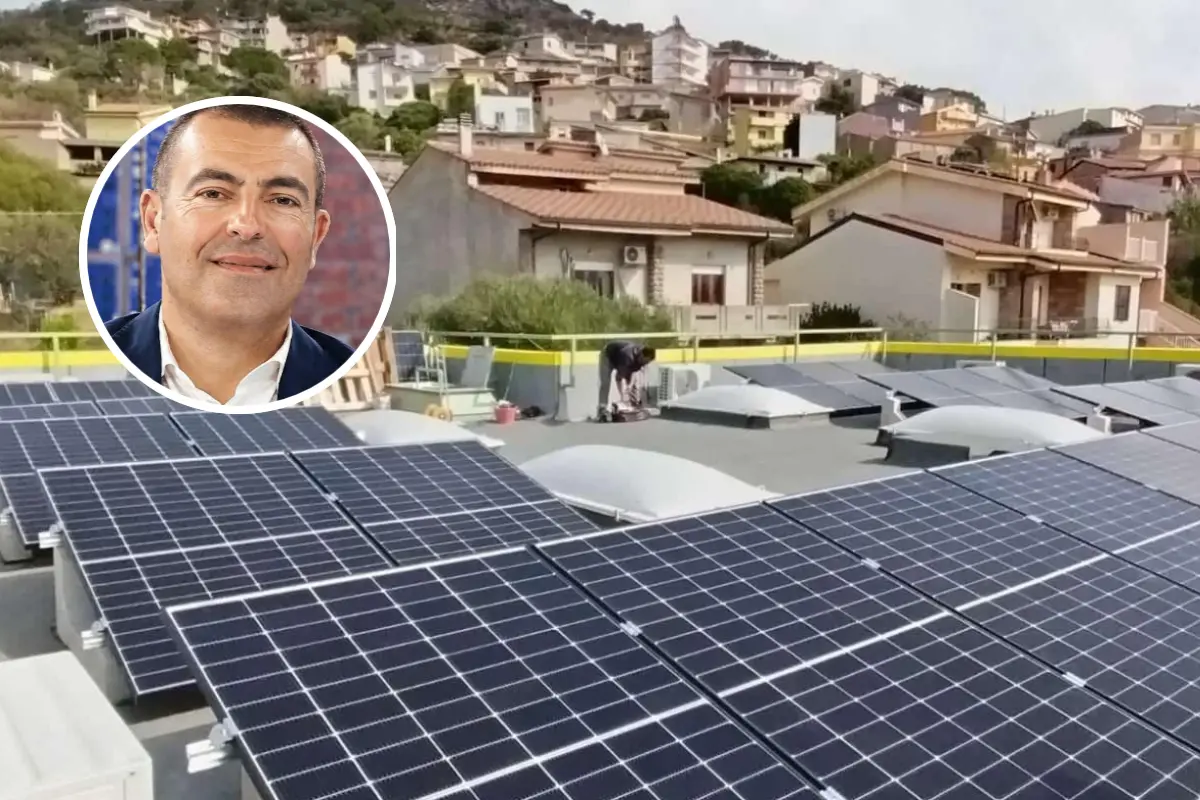
A photovoltaic system and, in the background, Alberto Upri
Per restare aggiornato entra nel nostro canale Whatsapp
Alberto Urpi, regional councilor for Sardinia at Centro 20Venti, launches a proposal on renewables in Sardinia: of the 6 GW target assigned to Sardinia, at least 2 GW should be built with publicly owned plants.
"The energy transition today is not an option, but a necessary path, and Sardinia must decide how to pursue it once and for all," writes Urpi. "That's why today I launched a specific proposal through my social media channels: of the 6 GW of production that Sardinia must achieve by 2030, at least 2 GW should be generated through publicly owned plants."
According to the politician, the Region must finance the construction of the plants and the recipients of the funding must be the Municipalities, the Provinces, the Metropolitan City, the Industrial Consortiums, the other local bodies and the entirely public companies of the Region («we are thinking of Enas, Abbanoa, Igea etc»).
Today, the Region, explains the regional councilor, "has significant financial resources, thanks to the revenue dispute, the FSC Funds, and the National Recovery and Resilience Plan (NRRP). Part of this financial capacity can be used to build public assets in the energy sector: fewer squares and concerts, and more strategic facilities for our region. The municipalities, unions of municipalities, and provinces have the expertise and capacity to do so. They are the economic engine of Sardinia, they know the territories and manage services and infrastructure for citizens every day. They must therefore also be protagonists in the energy transition, and not be subjected to it as is currently happening."
Urpi concludes: "My proposal is simple: the Region provides a large portion of the resources, local and regional authorities build and own the plants, and the territories become key players in renewable energy production. The final beneficiaries must be Sardinian citizens. Politicians must have the courage to choose. We cannot leave Sardinia in a state of permanent uncertainty: we must govern change and decide what role we want to play in the energy future."
(Unioneonline)
