










Inflation " isn't over yet " and the latest data on prices and economic trends support the announced new increase in rates , up to 3.5%, expected at the meeting of the European Central Bank scheduled for 16 March.
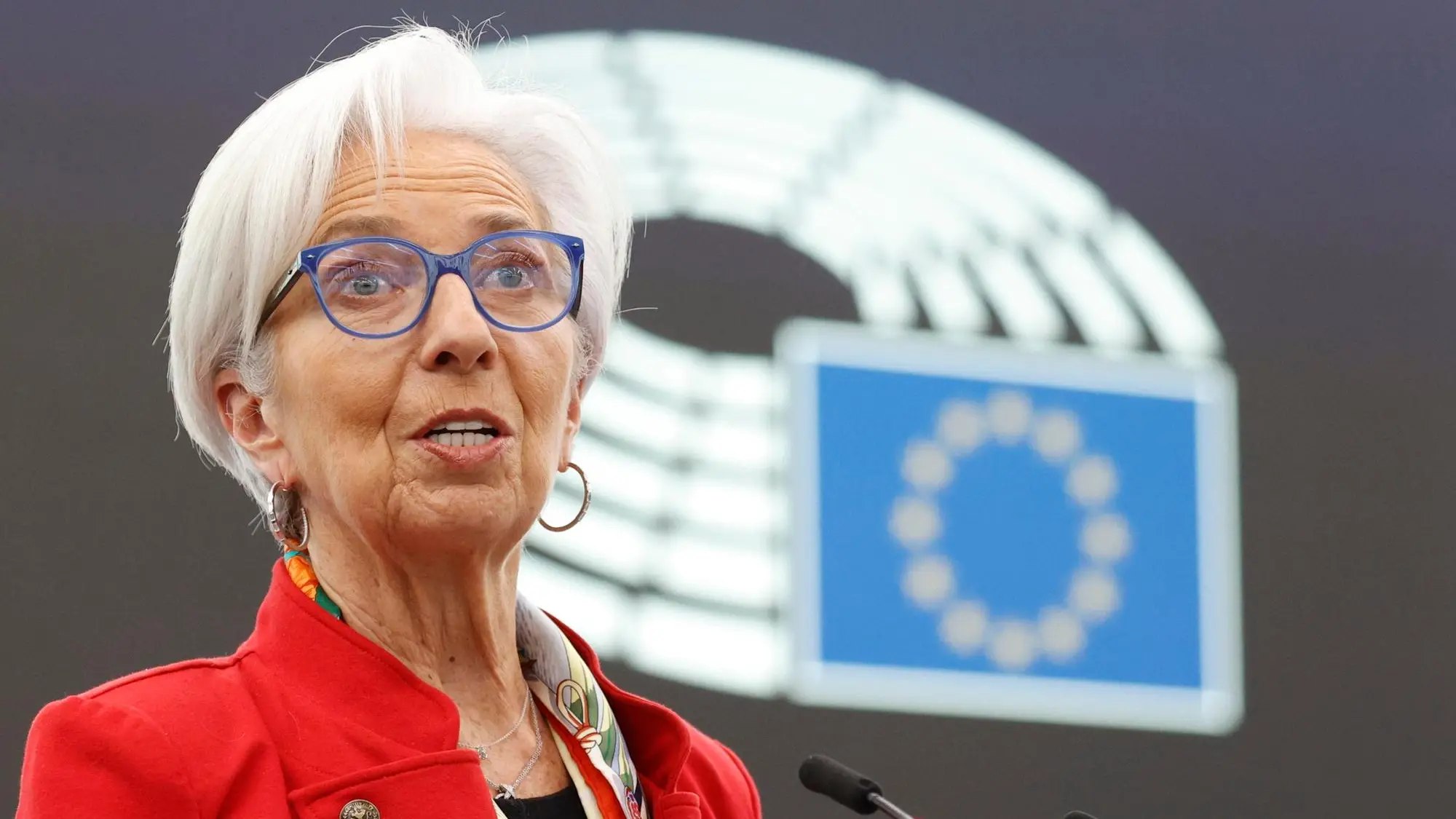
President Christine Lagarde, in an interview with the Spanish media, judges the new tightening "very, very probable" and does not comment on when Frankfurt will loosen its grip. The market, from Goldman Sachs to Bank of America, is betting on a rate hike of up to 4% at the end of this year also because, in its eight months of efforts, the ECB has not yet managed to bring inflation under control.
At the same time, Lagarde calls for an effort from banks and governments to mitigate the impacts of still high prices and decidedly growing variable mortgage rates .
THE MORTGAGE ISSUE – The real issue of the rate increase, destined to have a profound impact on the pockets of Italians as well, is in fact precisely that relating to mortgages. And the effort requested by Lagarde from credit institutions in renegotiating mortgages would avoid, according to the president of the ECB, putting debtors in difficulty and then having to enter non-performing loans in the balance sheet.
It should be remembered that there are 3.5 million households in debt with (fixed and variable) mortgages in Italy , in a context in which high prices and energy costs have reduced domestic budgets . Scrolling through the tables of the Bank of Italy in our country, it can be seen that the total stock of loans to households for the purchase of homes in December 2022 was equal to 953 million euros for loans up to 5 years and 426 billion for those over . Variable-rate mortgages, and therefore those most sensitive to interest rate changes, represent the minority (40% in September 2022) and many . However, those who were unwilling or unable to renegotiate are facing an in the light of the 50 basis point increase in rates, the installment of an subscribed at the beginning of last year (January 2022) could by . In just over twelve months, therefore, the borrower would find himself paying a , i.e. about 43% more than the initial one. If the race in interest rates were to continue, looking at market expectations, we could arrive in June 2023 with a borrower installment of 255 euros more than that signed in January 2022.