

«The Sardinian countryside is dry, yet in many areas the water ends up in the sea. We need to act quickly."
This is the position taken by the Anbi (National Association of Irrigation Reclamation, which represents and protects the 7 Reclamation Consortia of the Island) which in a note photographs the current situation: «While in some agricultural areas of Sardinia one can breathe a sigh of relief, outside of the water emergency, in others restrictions are applied and, at the same time, we end up letting the water flow into the sea, without anyone acting to retain it and make it available".
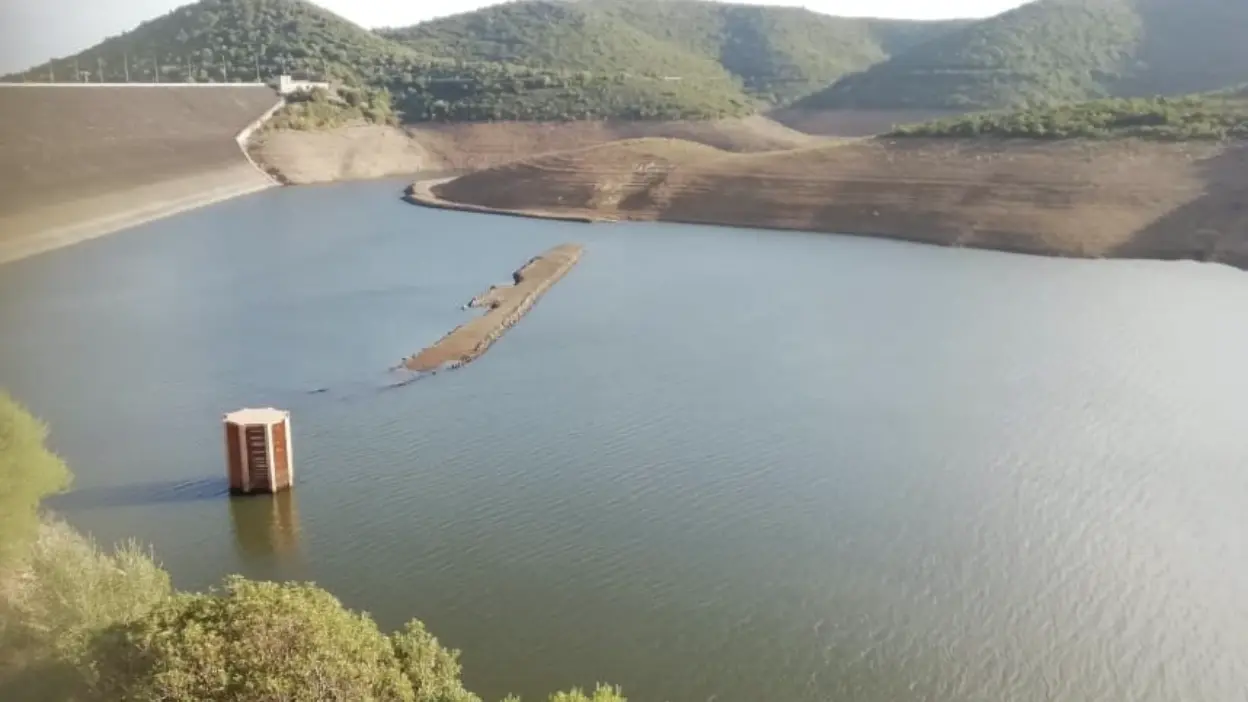
And even if the reservoir situation is no longer as serious as it was a few weeks ago, when volumes were at historic lows, we must not let our guard down.
«With the last bulletin in February – underlines Anbi – there were 1025 million cubic meters of water in the system, equal to approximately 56.2% of the authorized useful regulation volume. An increase of 67 million cubic meters compared to January 2024."
«A step forward made solely and exclusively thanks to Mother Nature, comments Gavino Zirattu, president of Anbi Sardegna, underlining that «we cannot always rely on the clemency of the weather to make work in the countryside safe».
Thirst in Southern Sardinia – In Campidano, for example, the Southern Sardinia Reclamation Consortium had to warn its members that irrigation will be at 70 percent, compared to the standard of the previous year. Things are decidedly worse in Isili, «where in the absence of the allocation of water resources we risk not even being able to open the irrigation season», confirms president Efisio Perra.
«And yet – continues Anbi – solutions exist and we will make them clear to the new regional council. Meanwhile, there is already today the possibility of transferring the water resource through the existing Tirso-Flumendosa interconnection. The Tirso, in fact, pours water into the sea beyond the threshold, while the Flumendosa is in serious trouble, with 200 million cubic meters less than in 2023. The necessary infrastructure exists, built decades ago. It would therefore be a question of reactivating the pumps to give water to the countryside of Southern Sardinia."